
The Impact of Seasonal Changes on Your Tires
Weather conditions have a significant impact on the performance and longevity of your tires. Different seasons bring various challenges that affect how your vehicle grips the road, making it crucial to understand when a tire change is necessary. With the right knowledge, you can ensure safety and maintain optimal driving conditions year-round.
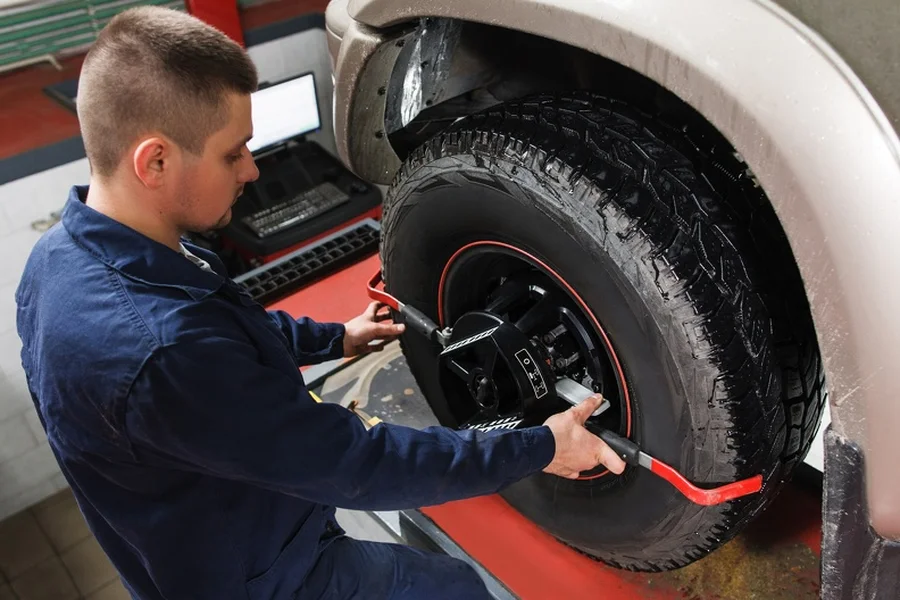
Understanding Temperature Fluctuations
As temperatures rise and fall, the air pressure in your tires changes. In hot weather, tires expand, increasing the risk of blowouts or wear. Conversely, cold weather causes them to contract, leading to underinflation issues. Regularly checking tire pressure during extreme temperature shifts is essential for maintaining safe driving conditions and can indicate the need for a tire change.
The Role of Precipitation
Rainy seasons present unique challenges for drivers. Wet roads reduce traction, increasing stopping distances and the likelihood of hydroplaning. Tires with adequate tread depth are vital in these conditions to ensure proper grip on the road surface. If your tires lack sufficient tread, it’s time to consider a tire change to guarantee safety in wet weather.
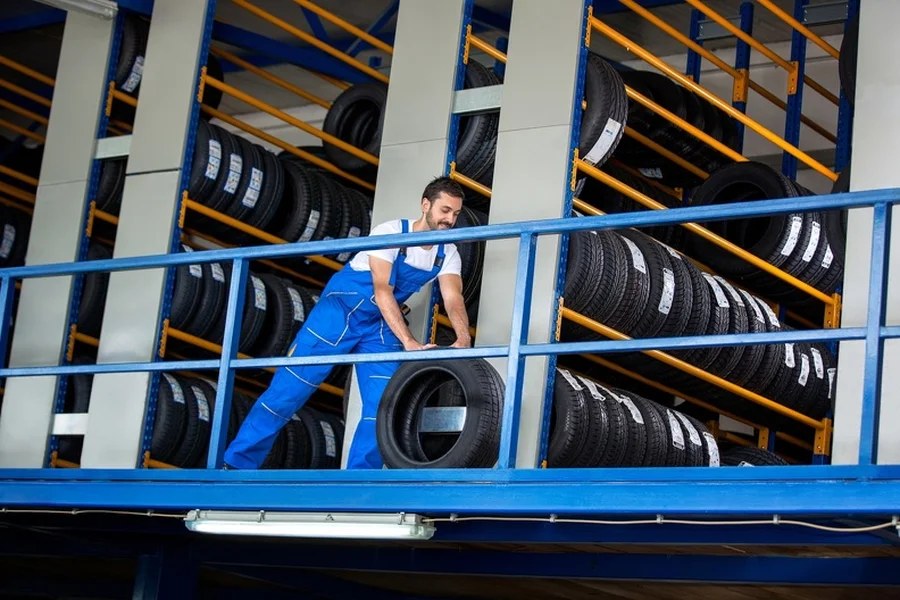
Dealing With Snow and Ice
In snowy and icy conditions, standard tires may not provide enough traction. Special winter tires are designed with deeper treads and softer rubber compounds to perform better in low temperatures. Assessing your current tire’s capability to handle snow and ice is critical; if they lack winter-specific features, a tire change could be necessary.
The Effects of Humidity
Humidity impacts tire lifespan by affecting the materials from which they are made. High humidity can lead to faster deterioration of rubber compounds in tires. This degradation compromises their structural integrity and may prompt an earlier-than-expected tire change. Monitoring tire condition regularly helps in spotting signs of aging due to moisture exposure.
Wind and Its Influence on Driving
Strong winds don’t directly damage tires but do influence vehicle stability, especially at high speeds. Under such conditions, having well-maintained tires is critical for keeping control over your vehicle. If your current tires are worn out or damaged, windier days might expose these weaknesses, necessitating a tire change to enhance safety.
- Check tire pressure monthly, particularly during extreme temperature changes.
- Monitor tread depth regularly, aiming for at least 1/16th of an inch for safe driving.
- Consider specialized tires for specific seasonal needs such as winter or all-season variants.
Evaluating Cost Implications
A tire change can seem like a costly affair, but investing in appropriate tires saves money in the long run by preventing accidents and ensuring fuel efficiency. Winter tires might cost more upfront but offer savings by preserving regular tires’ lifespan. Balancing cost against safety benefits makes sound financial sense when deciding on new tires.
Final Thoughts on Tire Replacement
Tires play a crucial role in vehicle safety and efficiency across changing weather conditions. By understanding the implications of different environmental factors, you can make informed decisions about when to replace your tires. For expert advice and quality service based in Daphne, AL, contact me today at (251) 251-1844. I am committed to providing reliable solutions through 10/65 Inc DBA Keep It Moving‘s expertise in tire management.